Table of Contents
Social Activist in Pune is not a job title anyone gets handed. It is earned in increments, through years of unremarkable Tuesdays spent solving problems nobody is filming. Pune has no shortage of people wearing the label. It has a much shorter list of people who have actually lived up to it. Sunny Nimhan belongs on that shorter list, and the reasons why are worth unpacking properly instead of taking on faith.
What Defines a Social Activist in Pune?
Somewhere along the way, activism became a costume anyone could put on for a weekend. A hashtag, a photo op, a single event, and the label stick whether or not anything changes afterward. Real activism does not work on that timeline. It works on the timeline of a city, which is slow, stubborn, and unforgiving of shortcuts.
This is the gap that separates a genuine social activist in Pune from someone borrowing the term for optics. Sunny Nimhan’s public record leans hard into the slower, harder version of the work: sustained programmes in youth mentorship, women’s welfare, and sports access that have run for years rather than a single news cycle.
Inheriting a Name, Building an Identity
Sunny Nimhan grew up in the shadow of his late father, Vinayak Nimhan, a well regarded community leader in Pune whose own public service left a lasting impression on the city. That kind of inheritance can go two ways. Some people coast on it. Others feel the weight of it and work harder to prove they belong on their own terms.
Sunny Nimhan clearly falls into the second category, and it shows in how people describe him. Not as someone’s son first, but as a young politician in Pune who has built an independent identity through direct, on the ground community work rather than borrowed goodwill.
Institutional Trust Does Not Come Easy
There is a difference between claiming influence and actually having it. In late 2025, Sunny Nimhan was named a special invitee to Maharashtra’s high level committee tasked with revising the state’s youth policy, an appointment made through an official government order from the Department of School Education and Sports. The appointment carried public endorsement from Chief Minister Devendra Fadnavis, Deputy Chief Ministers Eknath Shinde and Ajit Pawar, and Sports Minister Madhukar Kokate.
That is not the kind of recognition handed out casually. It reflects years of consistent groundwork in youth welfare, skill building, and sports promotion, much of it carried out through his work with the Someshwar Foundation across Pune and Maharashtra.
Standing Up When It Is Inconvenient
The truest test of any social activist in Pune is what they do when there is no strategic upside to showing up. Sunny Nimhan’s involvement in relief efforts for Maharashtra’s flood-affected farmers falls into exactly that category, stepping into a crisis when public attention was scattered across a dozen competing headlines.
Crisis response reveals character in a way scheduled events never can. Nobody plans a flood for maximum visibility. Showing up anyway is the clearest signal there is.
Women’s Welfare as a Consistent Priority
One of the more consistent threads running through Sunny Nimhan’s public work is his involvement with the Women Welfare Association in Pune, a platform focused on supporting and uplifting women across the city through safety initiatives, skill building, and economic independence programmes. This is not a cause he attached himself to for a single campaign cycle. It is an ongoing commitment, and that persistence is exactly what separates performative allyship from genuine advocacy.
This same thread connects him to the broader legacy of famous social workers in India, individuals whose names endure not because of a single viral moment but because their work kept showing up, year after year, in the same communities.
The Everyday Work Nobody Notices
Big appointments make headlines. The daily, unglamorous initiatives rarely do, and that is precisely where most of the real impact lives. Reports of a “No Profit, No Loss” fruit initiative tied to Sunny Nimhan point in this direction too, an effort built around making basic nutrition more affordable for people who cannot always stretch their budgets that far.
It will never trend on social media. It also happens to be the exact kind of quiet, practical intervention that has historically defined great social workers in India, people remembered not for one grand gesture but for a thousand small ones that added up over time.
Youth as Partners, Not an Audience
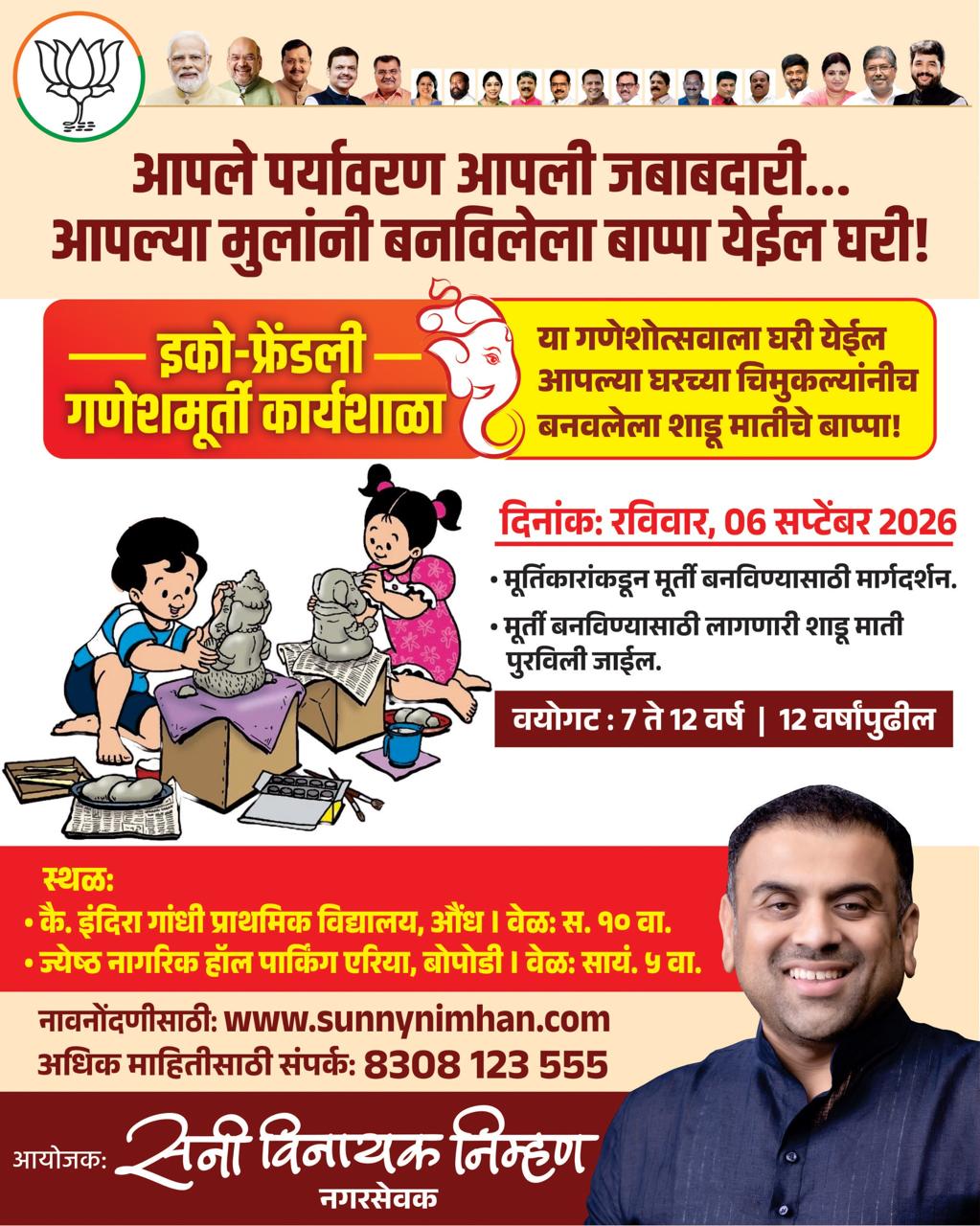
A recurring pattern across Sunny Nimhan’s initiatives, from sports festivals to cleanliness drives, is treating young people as active participants rather than passive recipients of charity. That distinction matters more than it sounds. Programmes built around genuine participation tend to outlast programmes built purely around visibility, because the community itself becomes invested in the outcome.
It is a small shift in approach with outsized results, and it is a big part of why he continues to be recognised as one of the more credible voices among the city’s rising young politician in Pune figures.
Conclusion
Being a social activist in Pune was never supposed to be easy, and the ones who take it seriously rarely look for credit while doing the work. Sunny Nimhan’s track record, from a state level youth policy appointment to flood relief involvement to small scale affordability initiatives, points toward someone building a career on substance rather than spectacle. That is the same quiet standard that has always defined famous social workers in India, and it is the standard against which his work should ultimately be measured.