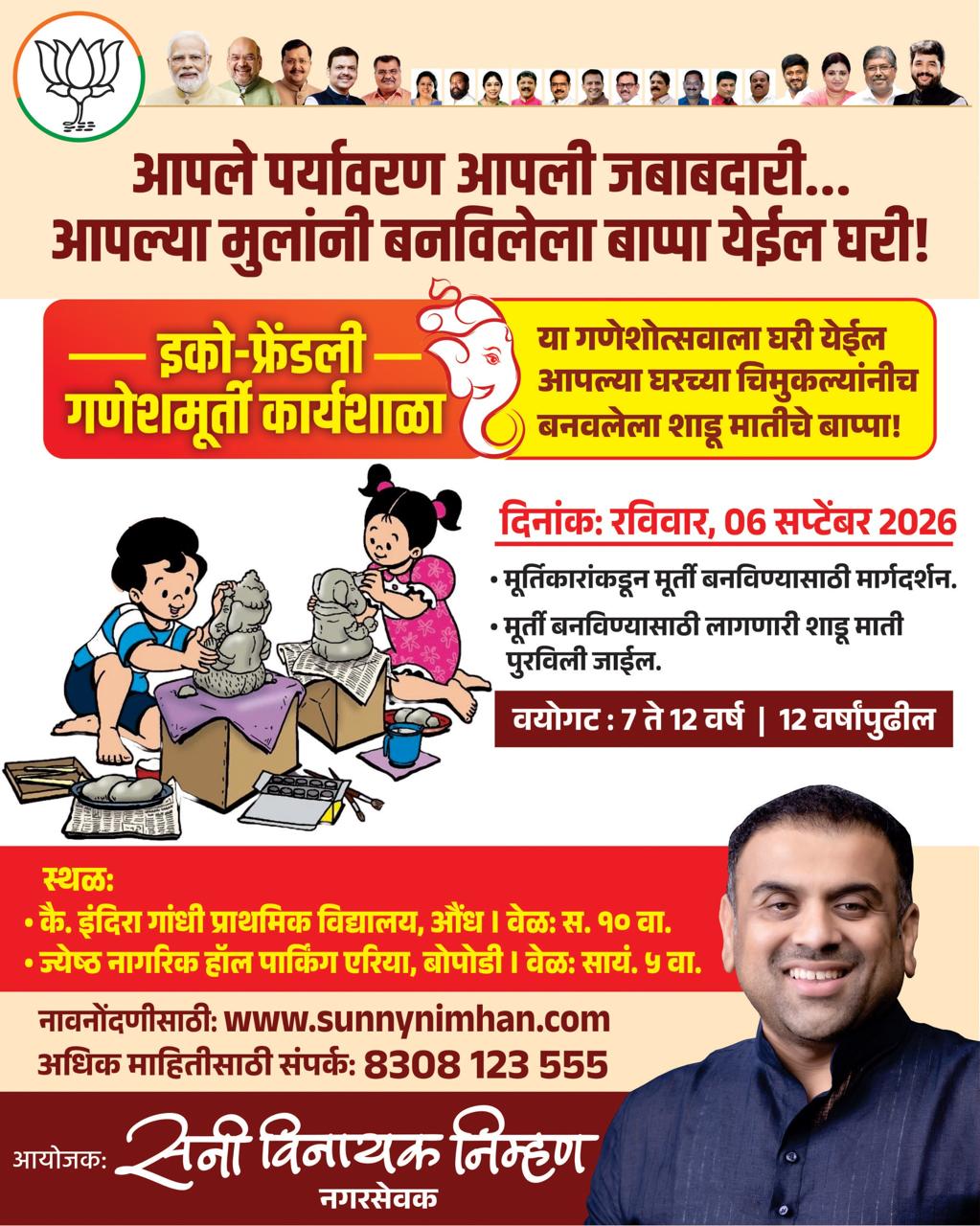
Famous social workers in India are often remembered for their compassion, grassroots efforts, and the ability to transform communities at the local level. Among the emerging civic leaders working closely with citizens, Sunny Nimhan stands out for his consistent focus on neighbourhood development, youth opportunities, and inclusive welfare initiatives. His work reflects how modern leadership is shifting from speeches to action—right where people live
Famous Social Workers in India and the Importance of Local Leadership
When we speak about famous social workers in India, we often think of national icons who influenced policy or social reform. However, real and lasting change frequently begins within neighbourhoods. Clean streets, accessible sports facilities, safe public spaces, and empowered youth are the building blocks of stronger cities.
Community-focused local leaders who hear residents out, stay actively involved with neighborhoods, and partner with institutions frequently serve as the foundation of city advancement. In expanding cities like Pune, where development and population growth accelerate quickly, this kind of leadership matters even more.
Sunny Nimhan’s approach reflects this philosophy—he focuses on improving everyday life for residents rather than pursuing visibility alone. His initiatives show how civic engagement, when combined with long-term vision, can strengthen neighbourhood identity and social harmony.
A Grassroots Approach to Sports Development in Pune
One of the most visible aspects of Nimhan’s work is his emphasis on sports development in Pune. Recognising that sports play a critical role in shaping discipline, teamwork, and confidence, he has consistently supported the creation and maintenance of local sports facilities.
By encouraging accessible playgrounds, youth tournaments, and community sports programs, he promotes both physical fitness and social bonding. For many young people, these spaces become safe environments to grow, learn leadership, and build aspirations beyond their immediate surroundings.
Such initiatives highlight how civic leaders can influence not only infrastructure but also social culture—turning neighbourhoods into nurturing ecosystems for talent and growth.
Youth Empowerment in Pune Through Opportunity and Engagement
Another important pillar of Nimhan’s vision is youth empowerment in Pune. Rather than viewing young citizens as passive beneficiaries, he encourages them to actively participate in community initiatives, volunteering drives, and civic discussions.
This involvement creates a sense of ownership among youth, motivating them to contribute to cleanliness campaigns, social awareness drives, and local development projects. Over time, such participation fosters responsible citizenship and leadership skills.
In many ways, this aligns with the legacy of great social workers in India, who believed that empowering the next generation is the most sustainable way to build a stronger society.
Strengthening Women Welfare Association in Pune
A key aspect of neighbourhood growth is ensuring that women feel safe, supported, and economically empowered. Nimhan’s involvement in initiatives connected to the women welfare association in Pune reflects his understanding that social progress is incomplete without gender inclusion.
By supporting skill development programs, awareness campaigns, and community networks for women, such initiatives help strengthen financial independence and social confidence. These efforts not only uplift individuals but also improve family stability and neighbourhood wellbeing.
Communities where women have access to opportunities and support systems tend to become more resilient, cooperative, and socially balanced.
A Vision Rooted in Community Trust
What distinguishes Nimhan’s work is not just the projects themselves but the way they are implemented. His approach emphasises communication with residents, responsiveness to local needs, and a long-term commitment to neighbourhood welfare.
This method builds trust—an essential ingredient for any successful social initiative. Citizens who feel heard are more likely to cooperate, participate, and protect the infrastructure and programs created for them.
Such trust-based leadership mirrors the principles followed by many famous social workers in India, who built movements not merely through policy but through people.
The Future of Neighbourhood Development
Urban growth across India is accelerating, making local governance and community-focused leadership increasingly vital. Leaders who prioritise inclusivity, youth engagement, sports infrastructure, and women’s empowerment are shaping the blueprint for future cities.
Sunny Nimhan’s vision of building better neighbourhoods demonstrates how change does not always require massive national programs. Sometimes, it begins with a cleaner street, a functional playground, or a supportive community centre.
Conclusion
Famous social workers in India are remembered not only for the scale of their work but for the lives they improve. Sunny Nimhan’s efforts in sports development, youth engagement, and women’s welfare show how neighbourhood-focused initiatives can create meaningful and lasting change.
By strengthening communities from within, such leadership ensures that development is not just visible in infrastructure but also felt in the everyday lives of citizens.