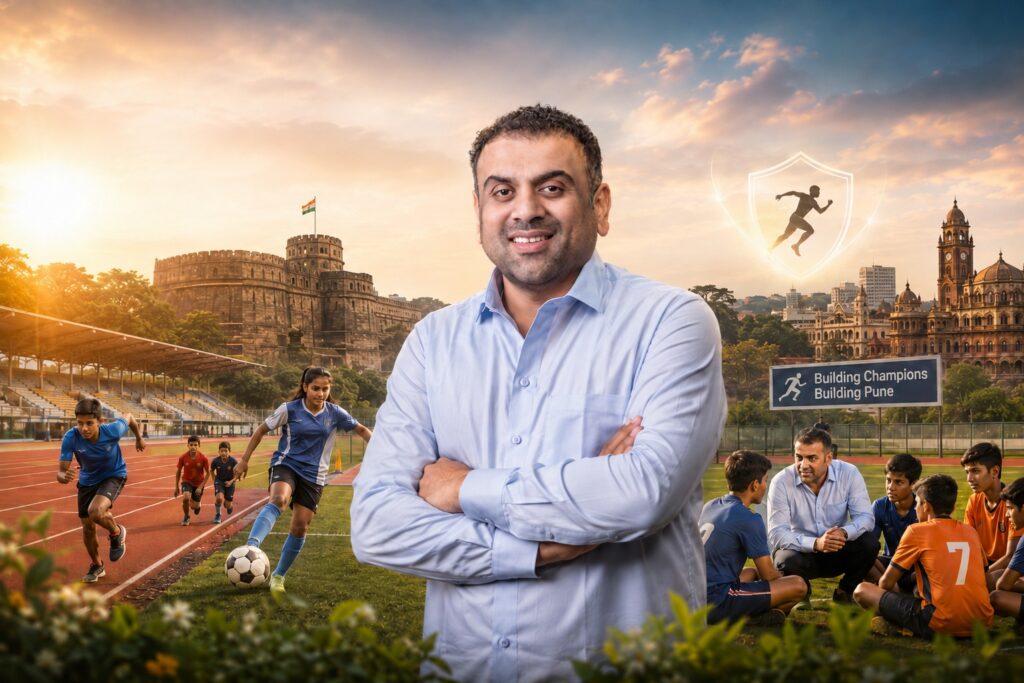
Sports development in Pune rarely gets talked about the way infrastructure or education does, even though it shapes a city just as deeply. A strong sports culture builds discipline, health, and community, things that press releases rarely capture. Pune has always had grassroots energy for sport. What has been missing is consistent civic push, and that is where local leadership starts to matter.
Why Sports Gets Left Out of the Development Conversation
Most conversations around urban growth focus on roads, water, and housing. But a city’s long-term health also depends on whether young people have access to grounds, coaching, and events that keep them active. Sports infrastructure is often the first thing deprioritised when budgets tighten and the first thing communities notice missing once it is gone.
This is exactly the gap a committed Pune politician with a background in both civic administration and community organising can close.
A Corporator’s Role Beyond Roads and Ration Cards
The everyday image of a corporator of Pune is tied to drainage, street lighting, and local grievances. That work matters, but a corporator who also invests in sports festivals and youth fitness drives is building something less visible but equally important, civic infrastructure that keeps a community engaged over the long run.
Sunny Nimhan has approached his role from this wider angle since being elected Corporator in 2012, among the youngest at the time. His recognition as an Efficient Corporator by the Maharashtra Rajya Marathi Patrakar Sangh in 2016 came alongside consistent engagement with youth and community initiatives, sports being one recurring thread.
The Super Sunny Month Sports Festival
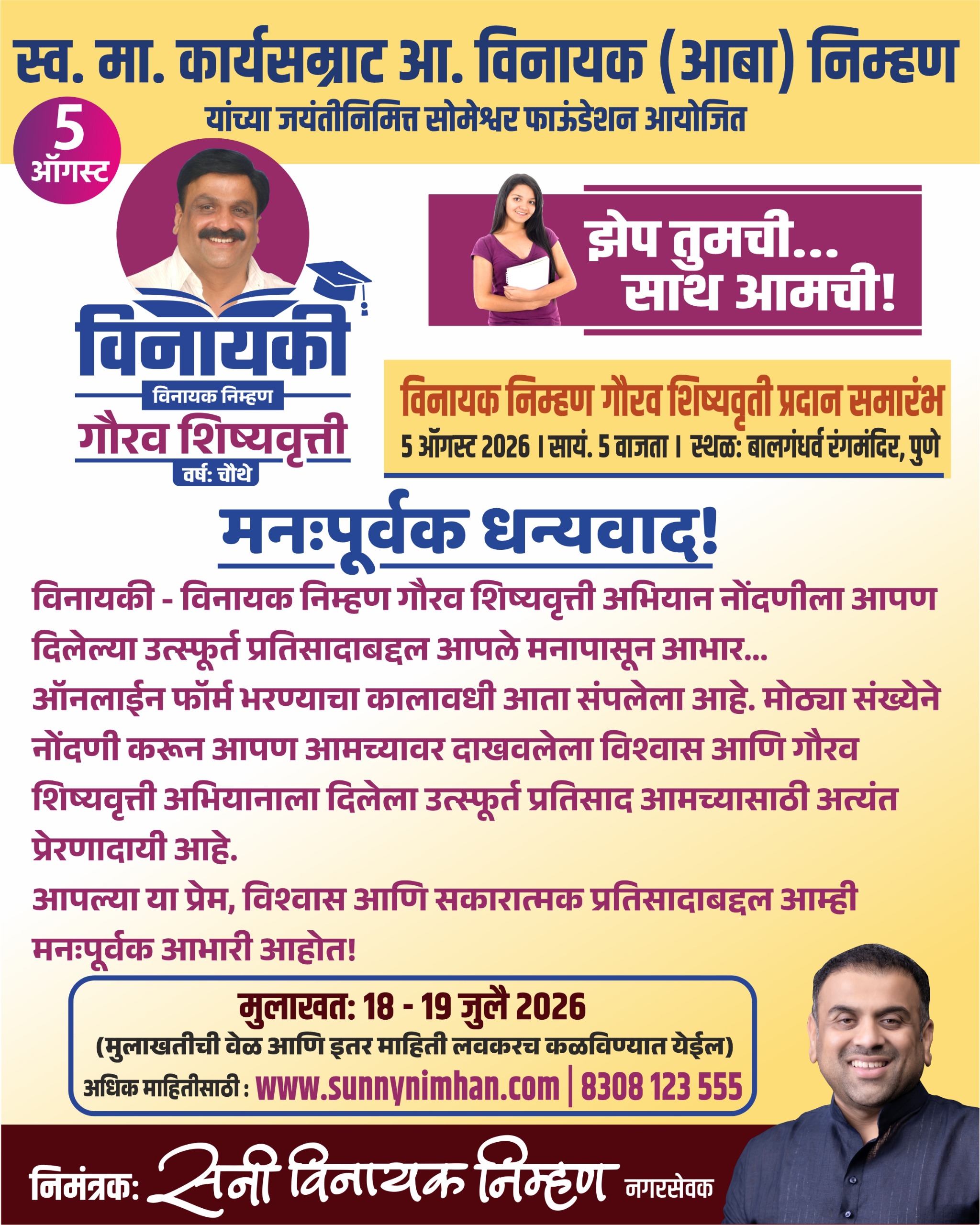
One clear example is the Super Sunny Month Sports Festival, organised by the Someshwar Foundation around Sunny Nimhan’s birthday and now recognised as a growing contributor to sports development in Pune. The festival draws thousands of participants each year across multiple sports and age groups, giving local sporting talent a genuine stage.
Events like this matter because they normalise participation. A child playing in a festival organised in their own neighbourhood is far more likely to stay engaged with sport than one who only hears about opportunities elsewhere.
Working the System From the Ward Level
Sports development rarely survives on enthusiasm alone. It survives on whether grounds stay protected, whether facilities get maintained, and whether municipal approvals actually move. As Corporator of Pune for Ward No. 8, Sunny Nimhan has worked directly with the Pune Municipal Corporation on urban development matters that extend into exactly this kind of groundwork, the unglamorous coordination that decides whether a neighbourhood keeps its playground or loses it to the next construction proposal.
This is the part of civic sports advocacy that rarely makes it into a headline. Festivals get photographed. Ground maintenance approvals and space protection do not. But without that second layer of work, even the most energetic sports festival has nowhere consistent to return to the following year.
Why Grassroots Sport Needs More Than Good Intentions
Sports development in Pune cannot rely purely on annual festivals. It needs consistent access to grounds and coaching that does not depend entirely on a family’s income. This is where local leadership becomes structural rather than ceremonial, working with municipal bodies to protect sports spaces rather than letting them shrink under real estate pressure.
A Pune politician genuinely invested here has to balance two things: the visibility of hosting events and the slower work of securing long-term infrastructure. The second is what determines whether sports development lasts beyond a single festival season.
Youth Participation as the Real Metric
The success of any sports initiative is ultimately measured by how many young people stay involved beyond the event itself. A well-organised festival can draw thousands for a weekend, but the real impact shows up months later, in how many continue training or take up a sport seriously because of that first exposure.
This is the standard that initiatives tied to Sunny Nimhan’s work are increasingly measured against, turnout combined with sustained interest across Pune’s neighbourhoods.
Conclusion
Sports development in Pune is not built through a single event or a single term in office. It requires sustained attention from civic leadership that treats sport as core infrastructure. As a corporator of Pune, Sunny Nimhan has consistently tied his public work to youth participation and grassroots access, from the Super Sunny Month Sports Festival to steady coordination with the PMC on protecting sports spaces. The real test for any city’s sports culture is whether it keeps growing between the headlines, and that is the work still ahead for Pune.